

 In the dominant culture in the U.S., where I live, both introverts and extroverts tend to have a negative view of introversion. Or they confuse it with social anxiety or shyness. Even today after so much positive publicity about introversion.
This bias against introversion is common in many other countries too, but not all.
Misunderstandings about introversion come up so often in my career and business coaching work that I have to devote a page to explain what’s actually true about introversion.
Introversion is not a judgment. It simply refers to a preferred style (like being left-handed or right-handed). And it’s a style that can be used as a strength, once it’s understood. So what is it exactly?
What Is an Introvert?
Introversion and extroversion are about more than differences in socializing, although that’s where the differences seem most obvious.
Introvert brains are more prone to overstimulation, and social situations are highly stimulating, so we introverts tend to be careful about how we socialize. Both introverts and extroverts need and can enjoy socializing, but they experience it differently and have different needs.
As a result of being more prone to overstimulation, introverts often prefer recharging alone or with a trusted circle. Introverts tend to think through their ideas internally or with a close person before expressing themselves to a larger group.
 Whereas, extroverts tend to recharge around others and tend to prefer thinking while speaking with others. As a result, they are often quicker to speak up in groups. Both types have plenty to say. Being fast or slow is not about smarter or not.
For a fun metaphor to define the two types, I will borrow from the psychologist who wrote The Introvert Advantage:
Introverts are like a rechargeable battery. They need to stop expending energy and rest in order to recharge. Extroverts are like solar panels that need the sun to recharge. Extroverts need to be out and about to refuel.” ~Marti Olsen Laney
Social anxiety and chronic shyness are not the same as introversion. They are fear-based experiences that can be overcome. Introversion is a preference or a temperament, not a problem. Introverts might be more prone to shyness but it’s not the same thing.
Brain Differences Between Introverts and Extroverts
I believe one of the underlying differences between introverts and extroverts is how our brains process information.
 According to brain imaging research, the introverted brain likes to think deeply and make many connections between various pieces of information.
I believe this is why our brains get increasingly stimulated with more input and more people around us. The more people, the more the potential for overwhelm, and the more the need for downtime.
Thus we often prefer more time to integrate everything before we voice our ideas.
When we are quiet, it’s not for lack of anything to say!! In fact, introverts often have a LOT to say, and the people around them can be quite surprised by the amount of insights that roll forth. (Tips for extroverts and introverts in conversations.)
Prejudice Against Introverts
Notice there is no judgment in these definitions of introvert or extrovert. When I first realized that, it was a big eye-opener for me! Aha, there’s nothing wrong with being an introvert!
Each type, introvert and extrovert, has their own strengths and preferences.
Nevertheless, many introverts feel “less than” in our dominant American culture. (Not true in all cultures.)
This “less-than” idea is a misconception. You don’t have to wear an extrovert mask in order to thrive! (This is why there’s a growing Introvert Pride movement. Care to join in?)
Unfortunately, the different styles that introverts and extroverts display in groups lead to a lot of misunderstanding and frustration.
Think of the typical work meeting where some speak up more than others. Extroverts tend to mistake introverts for being disinterested because the introverts aren’t jumping in as fast. Sometimes the topic has moved on before an introvert is ready to speak.
I can hear the introverts out there thinking (to themselves), “Yeh! Tell those extroverts to slow down and shut up!” Obviously, the frustration can go both ways.
Imagine what can get missed when a meeting moves ahead before the introverts have had a chance to voice their insights. This is one reason we all need to understand each others’ thinking styles, so that all voices can be heard. The best decisions are more when more voices are heard.
When I held a series of introvert discussion groups, some of my extroverted friends made jokes that it would be a quiet meeting. In fact, they were lively discussions, and everyone got to participate. I used an introvert-friendly meeting style as I do whenever I lead a group.
Take Advantage of Your Introvert Strengths
I used to be very down on myself for being quiet, and now I am a confident introvert who loves being social… in manageable doses. I still like being quiet too. When I learned about introversion, I finally saw it for what it was and stopped apologizing.
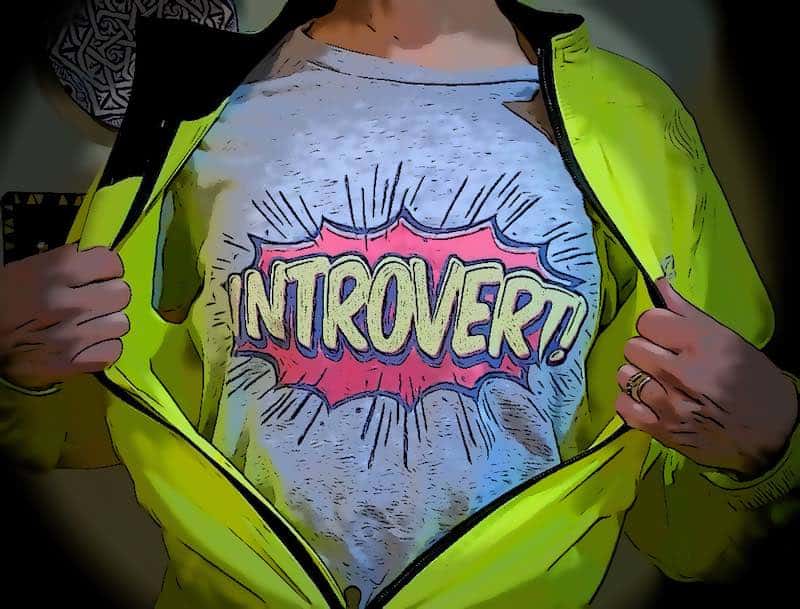 That awareness freed me up to expand on the strengths of being an introvert. I even enjoy some kinds of networking now. Now I’m on a mission to help introverts tap into their unique strengths.
The first step to tap into your introvert strengths is to learn more about what introversion really is and isn’t. That will help you let go of the prejudice, and learn about specific introvert strengths that you might not have seen in yourself before. I’ve selected some reliable resources below.
Then it really helps to connect with other introverts and learn from each other how to pave your own way in an extrovert-dominant culture, whether at school, at work, or beyond. (Examples: Groups for Introverts)
Learn More About Introversion
- Self-assessment: Are You an Introvert, Extrovert, or Ambivert?
- 9 Introvert Facts to Dispel Common Myths
- Susan Cain: The Power of Introverts (TED talk 2012, 20-minute video)
This popular talk, by the author of Quiet, is entertaining and eye-opening.
If you learn best from books, I like these:
- Quiet: The Power of Introverts in a World That Can’t Stop Talking (2012) by Susan Cain
(This book is so fascinating. The perfect resource on introversion, for the good of all. It’s helpful for individuals, schools, employers, leaders, politicians, etc.) - Quiet Influence: An Introvert’s Guide to Make a Difference, by Jennifer Kahnweiler, PhD
- Quiet Power: The Secret Strengths of Introverts (for kids, teens, parents, and educators) by Susan Cain.
What does introversion mean for my career?
 Choosing a career path or a workplace that is misaligned with your introvert needs is going to be draining. When it’s aligned, it’s going to feel so much better.
Alignment is doable (often in your current work) once you understand a few simple things that I outlined here: